Care model innovation in the UK

There is much to be learnt from the international experience of care model innovation.

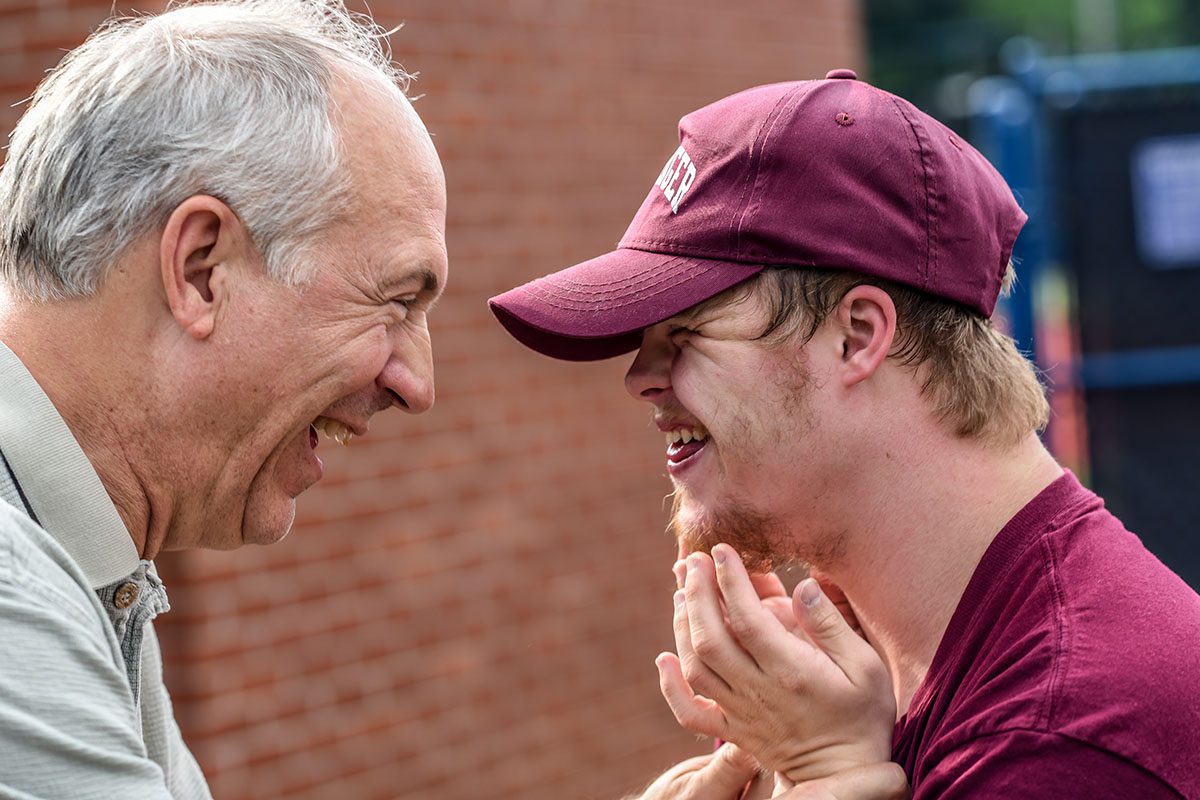
older man and young man facing each other laughing

There is much to be learnt from the international experience of care model innovation.

Be Caring, a UK-based social care provider that offers a range of services, including traditional home care, dementia care, learning disabilities support and palliative care.

Be Caring is transforming the UK care sector by innovating new models of care that better support clients and employees, fostering open and honest communication among all stakeholders.

Crucially, Be Caring is an employee-owned organisation that prioritises giving employees a voice and supporting their ongoing professional development.

Be Caring has received several awards, including the Leadership Culture Award and Excellence in Homecare and Supported Living. Organisational priorities include a positive work culture, employee engagement, and colleague recognition, making it an attractive employer in the social care sector.

Shaw Healthcare is the UK’s largest employee-owned healthcare company. It prides itself on delivering high-quality care services to some of the community’s most vulnerable people. Its sense of “The Shaw family” fosters a strong culture of community and dedication among its staff.

Shaw Healthcare is also majority owned by its employees, having transitioned to employee ownership in May 2020. The company offers a wide range of services, including elderly residential and nursing care, home care, community care hubs, supported living, and specialist care for acquired brain injuries and mental health. Shaw Healthcare’s substantial experience and reputation in designing, building, and operating care services has earned it international recognition.

Both Be Caring and Shaw Healthcare have a demonstrated commitment to employee ownership and engagement, which is reflected in their business models and the quality of care they provide. They exemplify the high quality of care that can be delivered when employees have a sense of ownership in the operations of the business.

Related case studies

Discover how co-ops and mutuals are making a big impact in Australia’s health, community and social services sector,  successfully delivering high-quality services and support to those who need it most.

Find a care co-op or mutual near you

Use our new interactive map to find care co-ops and mutuals across Australia.

Find one near you
Girl And Parent Sit Outside Blowing Bubbles

Women caring together: How co-ops are the way forward

The Home Care Workers’ Co-operative (HCWC) is a worker cooperative located in the region of Ontario Canada.

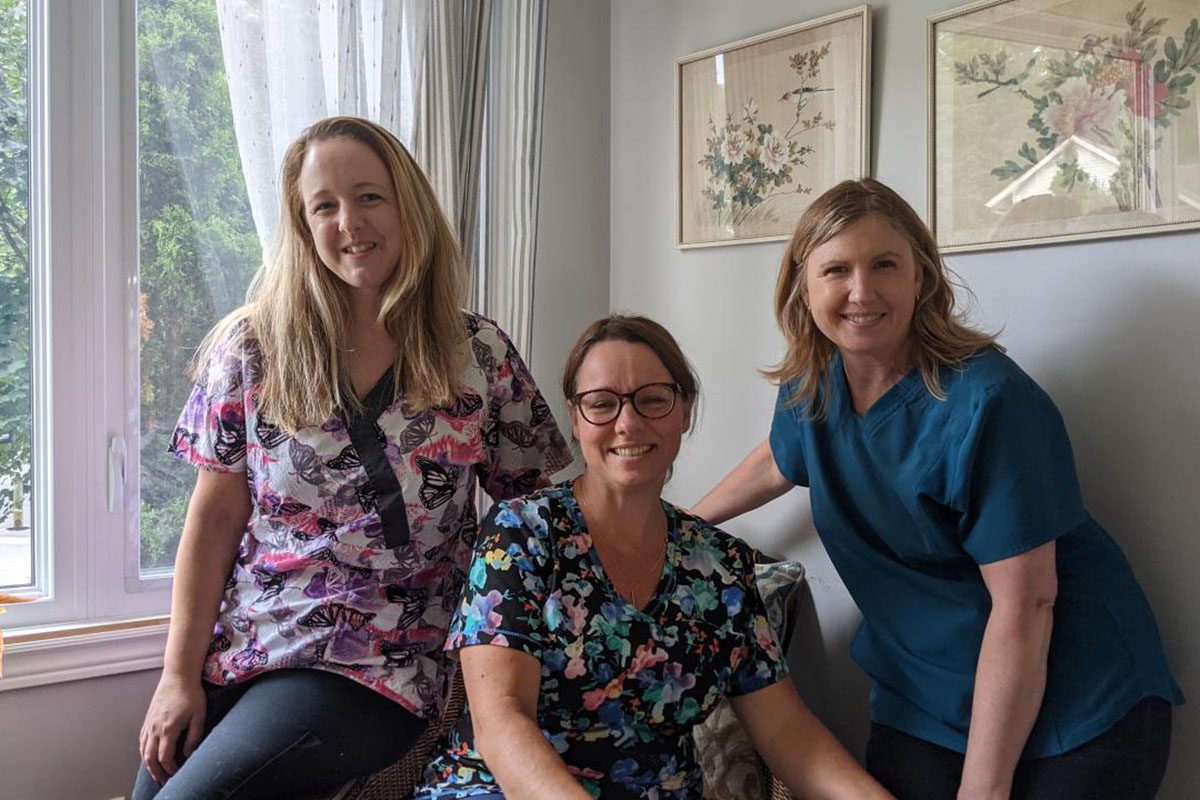
Amy Firlotte, Danielle Turpin and Denise Armstrong are co-founders of Home Care Workers' Co-operative. (Courtesy of Danielle Turpin)

CICOPA sat down with Danielle Turpin, founder of Home Care Workers’ Co-operative in Ontario Canada and discussed the recently founded women’s cooperative that is already servicing 300 hours a week.

This article was republished with permission from CICOPA and was originally published in the August 2023 edition of CICOPA’s Work Together newsletter.

Image: Amy Firlotte, Danielle Turpin and Denise Armstrong are co-founders of Home Care Workers’ Co-operative. (Courtesy of Danielle Turpin)

Women caring together

The Home Care Workers’ Co-operative (HCWC) is a worker cooperative located in the region of Ontario Canada.

The idea to establish this cooperative originated when Danielle Turpin, a personal support worker (PSW), got tired of how affairs were handled at the care enterprise where she worked. She noted that home care work involved a lot of components, including the workers’ need to have a voice and be protected, as well as taking into consideration the recipients’ needs.

“I felt complicit. I could see how there was no continuity for our recipients. No holistic care, nor continuity. The clients’ needs were rarely considered. I knew something needed to change, and that is when I decided to leave.” 

– explains Turpin

In 2020, she started doing some market studies and looking at various business models. She also came across CICOPA member, the Canada Workers Co-operative Federation, and got in touch with a cooperative consultant. Not long after, she came to the realization that a worker cooperative was the right form of enterprise for the organization she wanted to found.

That is how, in June 2021, the HCWC was born.

As soon as the cooperative got incorporated, it started operations right away. Early enough in their work they noticed that care recipients hired them because they needed their services, however, once they realized that they were a worker cooperative, they would ask for additional hours. Additionally, HCWC started getting a lot of referrals from hospitals, as the publicly funded system simply does not have the capacity to provide needed care, and they have a very good reputation in their area.

Another aspect that has kept the care recipients coming is their personalized services. They try to provide care based on the clients’ needs, not on what a traditional company would envision.

They do not book home visits just for financial gain, but because a recipient actually needs it. The cooperative takes pride in matching the skills of the worker with the needs of the recipients.

The services that HCWC offers are diverse: from non-medical home support to elderly care including toileting, dressing and personal hygiene, medication reminders, among others. They also offer physiotherapy for patients with spinal cord injuries, post-surgery rehabilitation, as well as palliative care and care for dementia. As Turpin explains it, these services are incredibly beneficial for workers and recipients alike, as a home visit allows people to remain in their homes as long as possible, instead of having to move to long-term care facilities.

“I needed to find a way to give workers a voice. As a woman in the care sector, I have seen how other hard-working women have been exploited, and I wanted to change that. I wanted to empower them instead,”

– said Turpin

In its short, but very fruitful life, the cooperative has managed to grow impressively. They currently are providing around 300 hours of care a week, and they serve the areas of Peterborough and its surroundings in Ontario, Canada.

At the moment, the cooperative consists of 13 employees, of which 2 are worker-members. For an employee to become a full worker-member, they must go through a probation period of 400 hours (around 6 months), before receiving a permanent contract and invitation to join as a member. As a part of their cooperative training, they also follow courses such as “good governance matters” and different curricula on cooperatives. This is done in collaboration with CWCF.

When it comes to governance, they meet once per month to discuss all the novelties of the cooperative: financials, client care, areas of concern, policies, and how the workers are doing in general. For elected positions, such as a treasurer or secretary, the standard mandate will last three years.

With their eyes on continuous development and future, the cooperative is working closely with professor Dr. Simon Berge from the Dalhousie University in Halifax in order to create a link with more service cooperatives in the area and to help establish new ones. The idea is to focus specifically on rural areas, and to empower women to establish their service cooperatives.

At the end of the day, they want to provide more training and courses, as Turpin believes cooperative education is crucial, and not taught enough.

“I knew about the existence of cooperatives, but I did not realize how big the movement was. The benefits of cooperatives in their communities are immense, and I wish more people knew about them. It feels like I’ve uncovered the best kept secret”.

Related case studies

Discover how co-ops and mutuals are making a big impact in Australia’s health, community and social services sector,  successfully delivering high-quality services and support to those who need it most.

Find a care co-op or mutual near you

Use our new interactive map to find care co-ops and mutuals across Australia.

Find one near you
Girl And Parent Sit Outside Blowing Bubbles

Argentina: Caring for others

Meet the Argentinian cooperative providing quality care in the Atlantic coast.

Meet the Argentinian cooperative providing quality care in the Atlantic coast.

This article was republished with permission from CICOPA and was originally published in the August 2023 edition of CICOPA’s Work Together newsletter.

The “Cooperativa de Cuidadores Domiciliarios Mar del Plata” is a home care worker cooperative based in the coastal city Mar del Plata, in Argentina.

The story begins in 2010, when a group of motivated adults followed a professional course on home care for elders, for a duration of 6 months. Upon completion the group was asked if they had interest in starting to work together as a group, and in the discussions, the idea to start operations as a worker cooperative surged.

This is how, in 2012, the cooperative was officially founded, composed of 8 of the alumni and 2 of the coordinators / facilitators of the course.

The idea to use the cooperative form came from Ms. Elsa Miori, current President, who had previous experience with the cooperative movement (banking) and understood the model very well. However, as she describes it, it is very different to run a care worker cooperative, and the challenges and daily operations are worlds apart. Nonetheless, they persisted and managed to establish operations.

The word of mouth and excellent services proved successful, as the cooperative quickly started to grow and two years later, there were already 60 workers. Today, in 2023, there are 150 workers and members, of which 125 are women.

Additionally, the original founders were all around 40 and 50 years of age, and they found it challenging to continue in the labor market at their age. Thanks to the cooperative, they were able to find a stable job.

In 2017, they decided to continue expanding the cooperative family, and they joined FECOOTRA, CICOPA’s Argentinian member.

The services provided by the cooperative are home care for adults over 18 years of age. While they provide services for adults with disabilities, their largest clientele (90%) is elderly adults over 85.

The services include: accompaniment and advice on daily life, medication administration, food preparation and assisted intake, activities according to possibilities of mobility, as well outings and entertainment. Family members are always in touch with the cooperative and can ask for a certain number of hours from a caregiver depending on the weeks, and the cooperative tries to match the skills with the caregiver, and with needs of the care recipient.

For caregivers to become worker members of the cooperative, there is a process where aspiring members must follow a 5-day workshop where they get to know the coop model, as well as see the values and compromises that must be made. There is also a test and an interview. Upon completion, they can decide whether or not to join the coop, and then the board can approve it.

Regarding their internal activities, beyond doing the traditional administration, the cooperative is also involved in cooperative education as well as care education for their members. They also offer psychological help for their members, as well as conflict resolution between teammates and with families, as well as tackling gender issues.

The cooperative also has a solidarity fund in place for its members. The work can be precarious at times (if the worker is not placed, or if they are sick for example). Furthermore, in a traditional care enterprise, 60% of the earnings would go to the owners, and only 40% to the caregiver, as opposed to here in the cooperative, where only 20% goes to the cooperative, and 80% goes to the caregiver.

Looking into the future, the cooperative is working hard to lobby for a better framework for worker cooperatives, as right now it is not well-suited for what they do. They got a small victory in 2022, when for the first time they received subsidies, and were able to purchase sanitary equipment. As Miori explains it, there are 35 care cooperatives right now in Argentina, and they are working together for a new law.

The cooperative believes they have managed to make a difference in their community and continues working with a look into the future. They have noticed that more and more social agencies are interested in working closely with them but are not willing to pay a fair price tag, so for now, they are still working autonomously.

A great example of how to take care of others!

Cooperativa de Cuidadores Domiciliarios Mar del Plata is a member of FECOOTRA, one of CICOPA’s Argentinian members.

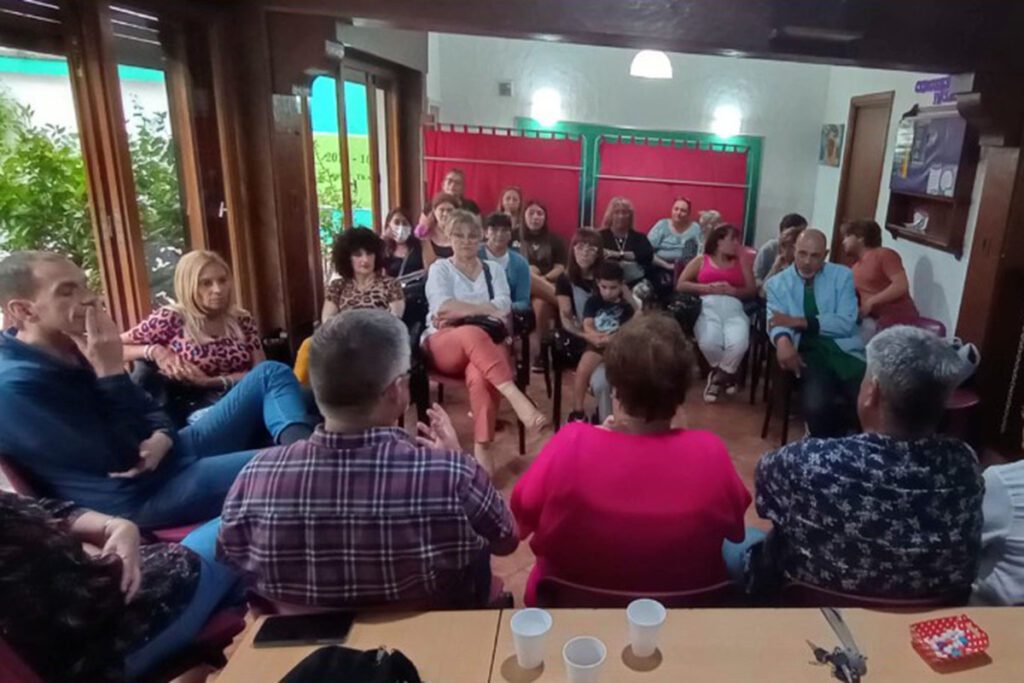
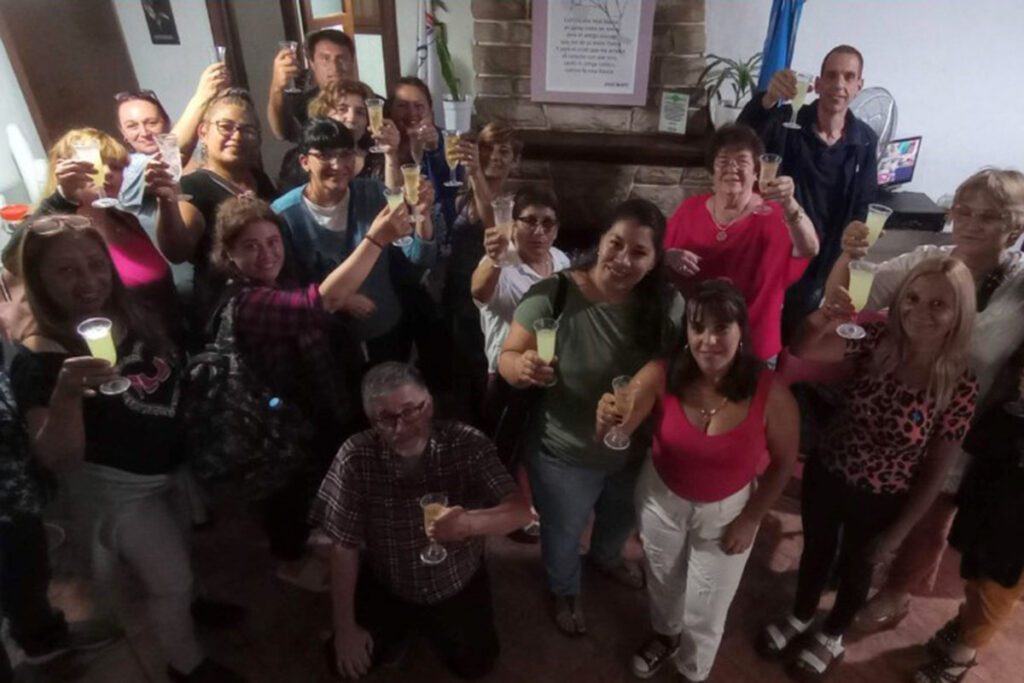
Cooperativa de Cuidadores Domiciliarios Mar del Plata 4

Related case studies

Discover how co-ops and mutuals are making a big impact in Australia’s health, community and social services sector,  successfully delivering high-quality services and support to those who need it most.

Find a care co-op or mutual near you

Use our new interactive map to find care co-ops and mutuals across Australia.

Find one near you
Girl And Parent Sit Outside Blowing Bubbles

US: Life comes full circle

The Circle of Life Caregiver Cooperative was created in 2007, and it is located in Belligham, Washington, US.

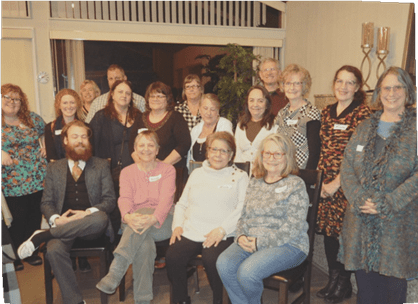
Worker-owners of the Circle of Life Caregiver Cooperative

Meet the worker cooperative Circle of Life and hear them looking back on their achievements as they turn fifteen.

This article was republished with permission from CICOPA and was originally published in the August 2023 edition of CICOPA’s Work Together newsletter.

The Circle of Life Caregiver Cooperative (COL) was created in 2007, and it is located in Belligham, Washington, US.

The idea to start a cooperative came from Jo Ana McNerthney, who in the year 2007, was looking for round-the-clock care for a parent. She was someone who had worked with a community cooperative and wanted to see if there was something similar available in the care sector.

After discussing it with some acquaintances, the way to go forward was decided and the worker cooperative was founded. The choice of the cooperative model came naturally to Jo Ana, who has always been an activist and has always advocated for social justice.

Jo Ana went on to become the administrator of cooperative and stayed in this role for 8 years. We had the chance to speak with the third administrator of Circle of Life, Kris Buettner, who has been in charge for the last three and a half years.

At the beginning, the cooperative started slow, but by 2013 they were extremely successful financially, and they were already providing care to 70 patients, as well as giving employment to many caregivers in their area.

The story of Circle of Life is an inspirational one, and their aim is to show that it is possible to be successful in the caregiving industry through a cooperative model that truly cares about their employees.

Circle of Life provides home care mainly to elders; however, they also have clients that have development challenges or that suffer a brain injury. The care plans are carefully and individually designed for each client, and the cooperative works to find a tailor-made team of caregivers that can provide the services needed. The service provided can cover from a few hours a week, to a 24/7 presence, and they work in both urban and rural areas.

Circle of Life also provides companionship to its clients. That is why they also work with people that are already in hospices but need extra care. Indeed, the shortage of caregivers, due to poor working conditions offered by big corporations that own hospices, makes the work of Circle of Life of vital importance.

As it happens to all businesses, things go up and down and at the time Buettner came, the cooperative was facing some challenges. Membership was low, and they weren’t financially stable, but they could overcome their difficulties.

That was mainly thanks to the support of cooperatives’ networks, particularly from the unrelenting support of the Northwest Cooperative Development Center (NWCDC) and the Cooperative Development Foundation (CDF). During COVID-19 received a grant from the CDF group and were gifted face shields from Engineering Coop, Isthmus. In addition, they received a large grant from the US Small Business Administration. Another taproot to COL’s successes is their cooperative and mutual support of a small network of five home care cooperatives in the region, supported by the NWCDC. This network of coops is forming a formal network to expand benefits to all members and expand training opportunities for their members.

Moreover, the board has been working hard to strengthen relationships with members and engage in a more efficient structuring of membership. They are democratically elected by the members of the cooperative and it takes care of the financial decisions, it hires the administrators, and supervises them. They meet once per month and the meetings are open to anyone, even to non-members of the cooperative, in order to guarantee complete transparency about their work.

Circle of Life highly values the exchanges with its workers and its members, which is why a member forum, and board meetings with caregivers are organized.

Those are a great opportunity to have the floor and are mainly used in order to collect new ideas, concerns, and questions. Moreover, surveys and regular check-ins are organized to see how everyone is doing and match the needs of the caregivers with those of their clients.

The cooperative now has 21 worker- members, and additional workers, employed part time in the organization. The majority of the caregivers are members of the cooperative. To become a member, aspirants must undertake a three-month evaluation work. After that, the Administrator of Operations can recommend the person to the board and the board reviews the membership and discusses it with the other members.

Becoming a member of the cooperative is very advantageous as there are financial incentives being the board structured with PayScale. Moreover, sick time, and paid time off (PTO), are accumulated at a better rate. Circle of Life continues to explore increasing benefits for members, and this is part of the work being done through the network of Washington homecare co-ops (Peninsula Home Care, Ridgeline Home Care, Capitol Home Care, and Heartsong Coop). There are also efforts to expand opportunities for members and their Boards to offer shared resources and training. Thanks to the NWCDC, this network of coops is possible.

Cooperation is essential for Circle of Life, and therefore they are part of the U.S. Federation of Worker Cooperatives (CICOPA member), the Cooperative Development Foundation, the ICA group, and the Northwest Cooperative Development Center. The development center provides them with training, consultations, funds, and brings together the cooperatives that are part of it. This service is vital for cooperatives like Circle of Life that want to show that they are alive, the cooperative business model is a good model and that they are part of the movement.

Circle of Life blew 15 candles last year (2022). This was an important milestone for the cooperative, that since 2007 is empowering caregivers, is co-creating the environment of work, provides healthy work environment, provides good-quality services to the community and educates about the cooperative movement.

Now it’s time for a quinceañera for this worker coop!


Circle of Life Caregiver Cooperative is a member of the U.S. Federation of Worker Cooperatives, our American member.

Related case studies

Discover how co-ops and mutuals are making a big impact in Australia’s health, community and social services sector,  successfully delivering high-quality services and support to those who need it most.

Find a care co-op or mutual near you

Use our new interactive map to find care co-ops and mutuals across Australia.

Find one near you
Girl And Parent Sit Outside Blowing Bubbles

Summer Foundation

A new approach to sharing support for people with disability in co-located Specialist Disability Accommodation

Friends meeting in the park and doing handshake, one main in wheelchair

A Care Together Project

A better way of delivering shared support for people with disability who have high and complex needs living in Specialist Disability Accommodation in regional and remote areas.

What was the market failure being addressed?

There is a lack of effective, tenant centred models of support available to people with disability living in co-located specialist disability accommodation (SDA) in regional and remote settings. SDA funding was designed to meet the housing needs of the 6 per cent of NDIS participants (approximately 30,000) with the most complex support needs. While innovation in SDA has been slow to emerge, new approaches for shared support are taking even longer.

People living with complex disabilities and high care needs want greater control and the ability to determine how their support is delivered. At present, the way in which support  is delivered can leave recipients feeling frustrated, disempowered and insecure.

There are significant opportunities to re-imagine the provision of support to people with disability in the context of emerging SDA design, smart technology and, most significantly, by leveraging the needs and preferences of the people with disability who tenant SDA.

There are a range of factors that currently inhibit effective support provision in SDA which include:

  • limited capacity of many tenants to direct their own support
  • NDIS funding restrictions governing support in co-located SDA
  • lack of innovation (ie support in co-located SDA often closely resembles how support has historically been delivered in group homes)
  • high workforce turnover

These challenges are significantly amplified when the overlay of regional and remote settings is considered.

What was the project seeking to achieve?

This project involved a co-design process with a group of tenants eligible for SDA. The co-design process looked at whether a co-operative approach is a viable option.

Where the project is at now 

Summer Foundation has sharpened its focus, reaffirming its national mission to deliver better housing and living outcomes for Australians with disability who have high support needs. Since 2021, the organisation has led a co-design process, engaging tenants, support providers and SDA operators to understand entrenched challenges and to test whether a co-operative model of shared support could work, particularly in regional and remote communities.

Stage 1 of the initiative consolidated existing evidence, mapped barriers and critically assessed the alignment between tenant needs and co-operative structures. While the potential of a co-op model was thoroughly explored, the process remained open to all possibilities. Genuine, evidence-driven co-design revealed that what was needed was broader than a single model, so the decision was made not to proceed directly into Stage 2. Instead, Summer Foundation and Care Together honoured participant voices by retaining flexibility in next steps, together developing a high-level tenant-led co-operative concept note for use should a suitable cohort emerge.

This concept note draws directly from lived experience and sector input, outlining how a co-operative could empower tenants, improve quality and value, and foster stronger, more responsive shared support in SDA. The proposed model strongly emphasises tenant voice in governance, decision-making by consent, and the inclusion of tenants, their supporters and workers as members. It also identifies key funding and administration considerations, recognising both the opportunities and regulatory challenges involved.

Currently, Summer Foundation and Care Together remain focused on knowledge building and advocacy while keeping the door open for a tenant-led co-op to be piloted where there is local appetite. In the meantime, Summer Foundation’s broader efforts continue to shape policy, design and scale new evidence-based solutions for 24/7 support. The work completed through the Care Together Program serves as a rigorous foundation for any future pilot, and helps clarify what’s needed for effective, participant-directed governance in shared support models.

As sector strategy evolves, both organisations also see strong value in the potential for a shared services co-operative that can offer back-end and compliance support to smaller, participant-directed initiatives. This will reduce burden and risk, helping future co-ops to be sustainable and NDIS-registered if required.

In summary, while the original path has shifted, the spirit of co-design and local leadership remains central. Summer Foundation and Care Together continue to champion tenant-led change and look forward to the emergence of new pilot opportunities that put power and voice at the centre of disability support, particularly in regional and remote Australia.

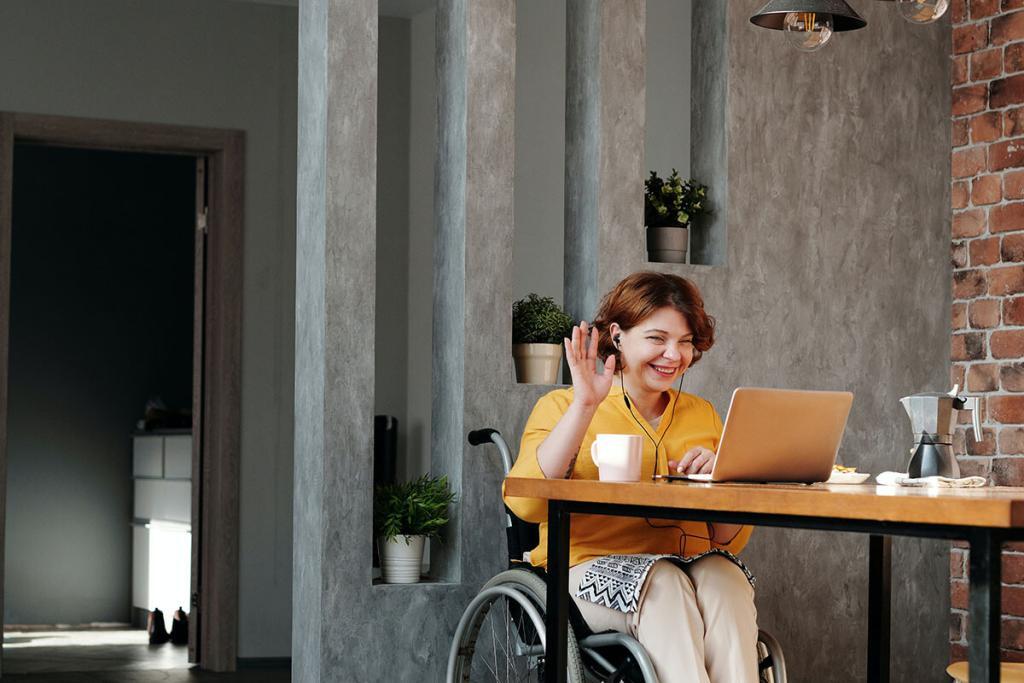
woman in orange top in wheel chair waving to laptop sitting at dining table in modern home
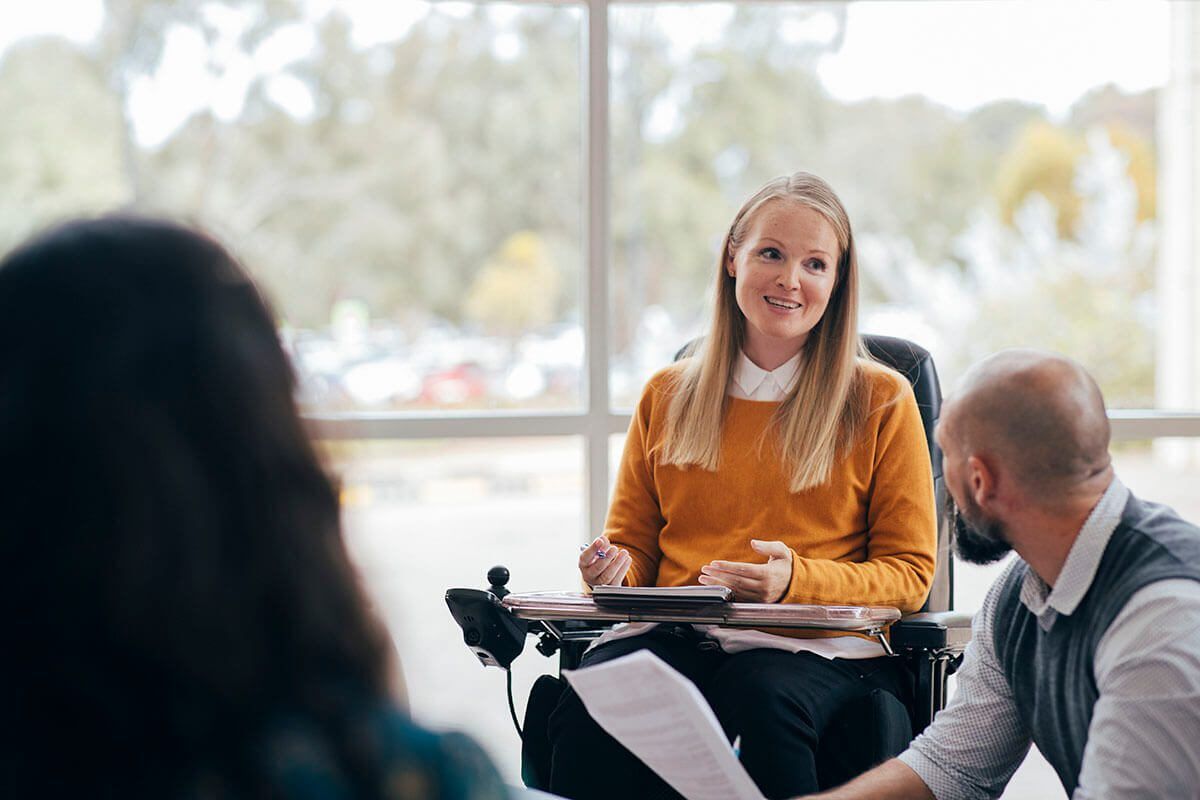
A woman looks happy and confident as she leads a group discussion at her place of work. She is a wheelchair user and has Muscular Dystrophy.

Hear from the Summer Foundation

Carolyn Finis, head of Co-Design, Summer Foundation, shared:

“The idea of shared support and the efficiencies that it brings is really something that we want to we want to see leveraged. Sadly, while there’s been some innovation in housing for people with disability, there’s been very little innovation in that area of shared support.

“We know from surveying participants that what works well is flexible care that respects privacy and enhances choice and independence.

“There’s been a lack of general innovation in shared support, and it’s characterised by very high workforce turnover. There’s often a bigger deficit in training and skills that have been provided to that workforce, and there’s just a lack of providers that are available to choose from in rural and remote areas.”

“We know from surveying participants that what works well is flexible care that respects privacy and enhances choice and independence.”

Related projects

Care Together is supporting the establishment of new co-operative and mutual enterprises that provide sustainable workforce solutions in areas where current approaches are not working. Explore more Care Together projects. 

Find a care co-op or mutual near you

Use our new interactive map to find care co-ops and mutuals across Australia.

Find one near you
Girl And Parent Sit Outside Blowing Bubbles

COTA Australia – for older people

A co-operative approach empowers Australians ageing at home

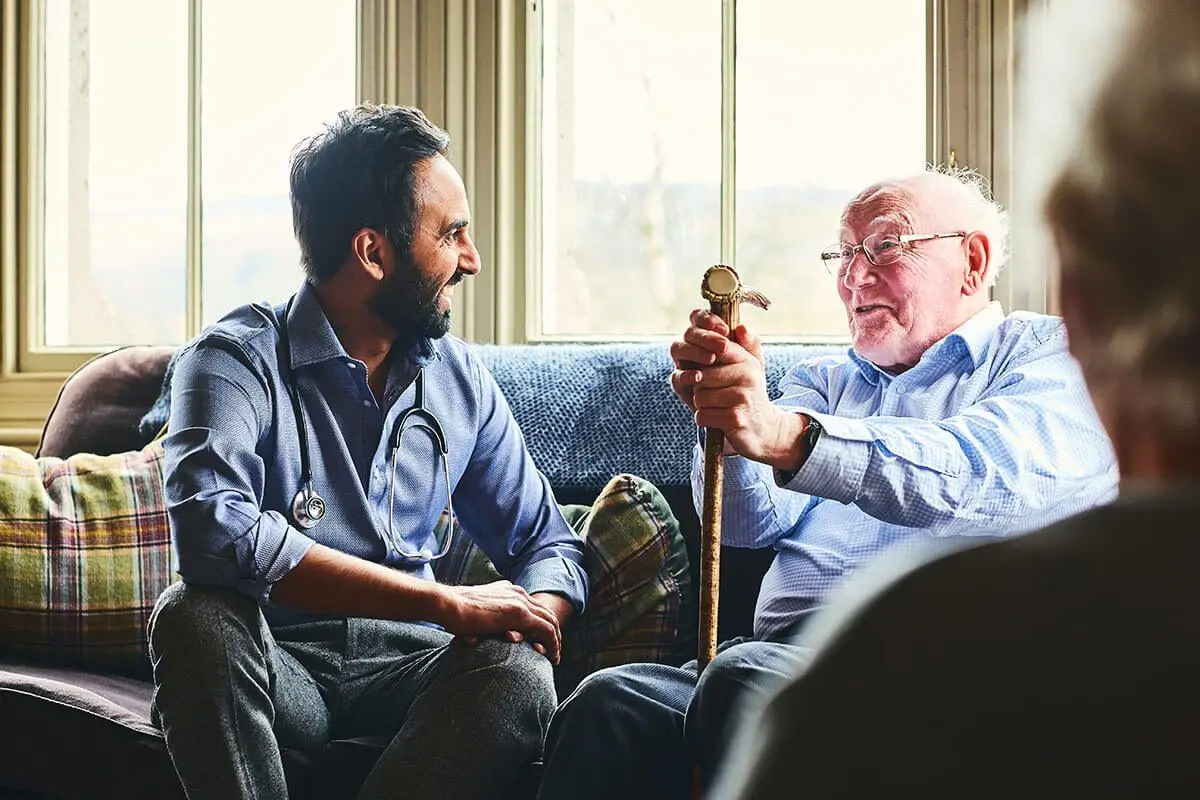
Young male doctor and senior man sitting on sofa and smiling during home visit

A Care Together Project

Exploring the feasibility of co-ops and mutuals as an effective and sustainable service delivery model which acknowledges, enables and empowers the decision-making capabilities of people self-managing their aged care home care package.

Project location

Rural and remote areas.

TBA (Tasmania and Western Australia have been identified as potential trial sites).

What is the market failure being addressed?

Older people and their families say the existing Home Care Package (HCP) Program model falls short on offering them genuine choice and control over the day-to-day functions of their package. Many, especially those who self-manage, experience the program arrangements as imposing an unnecessary high level of provider dependence. For them, the existing model works to entrench provider paternalism and ageism rather than empowering them to use the package funds to optimise independence and the achievement of personal health and wellbeing goals.

People self-managing their HCP want a more robust service delivery model. They know, want and have the experience and skill to take more responsibility in:

  1. managing their involvement in the HCP Program
  2. choosing and coordinating the care and services that best meet their needs and goals
  3. being accountable to government and taxpayers

Older people wanting to self-manage their HCP package (approximately 10 percent of HCP consumers) are ideal candidates for the proposed co-operative model. At the completion of this project, it is anticipated increasing numbers of people will see the co-ops and mutuals approach to HCP self-management as fundamental to optimising package funds and enabling them to live independently in their own home and community for as long as possible.

What is the project seeking to achieve?

The aim of the project is to use a place-based, empowerment approach to augment the HCP Program’s goal by enabling people self-managing their HCP to maximise the choice, flexibility and control they have over: 

  • the types of services they receive 
  • how they receive services 
  • who provides the services 
  • when services are provided

Phase one

To work with older people and/or their families to investigate the feasibility of importing and sustaining co-operatives within the aged HCP program by:

  1. understanding the policy and physical infrastructure required to test the cooperative model
  2. assessing its potential to provide an innovative solution to improving the appropriateness and sustainability of home care in areas where the current service delivery platform is not empowering participants to optimise their independence and wellbeing.  

Phase two

To establish and grow a viable and sustainable network of consumer-led Home Care Packages (HCP) cooperatives within the aged care service landscape, especially in rural and remote areas, as well as other ‘thin markets’. The establishment of a network of HCP cooperatives will heighten HCP participants’ political visibility and advocacy. 

COTA co-design workshop

A groundbreaking workshop held on 11 February 2025 brought together older Australians from across the country, marking a significant step toward reimagining the management of aged care packages.

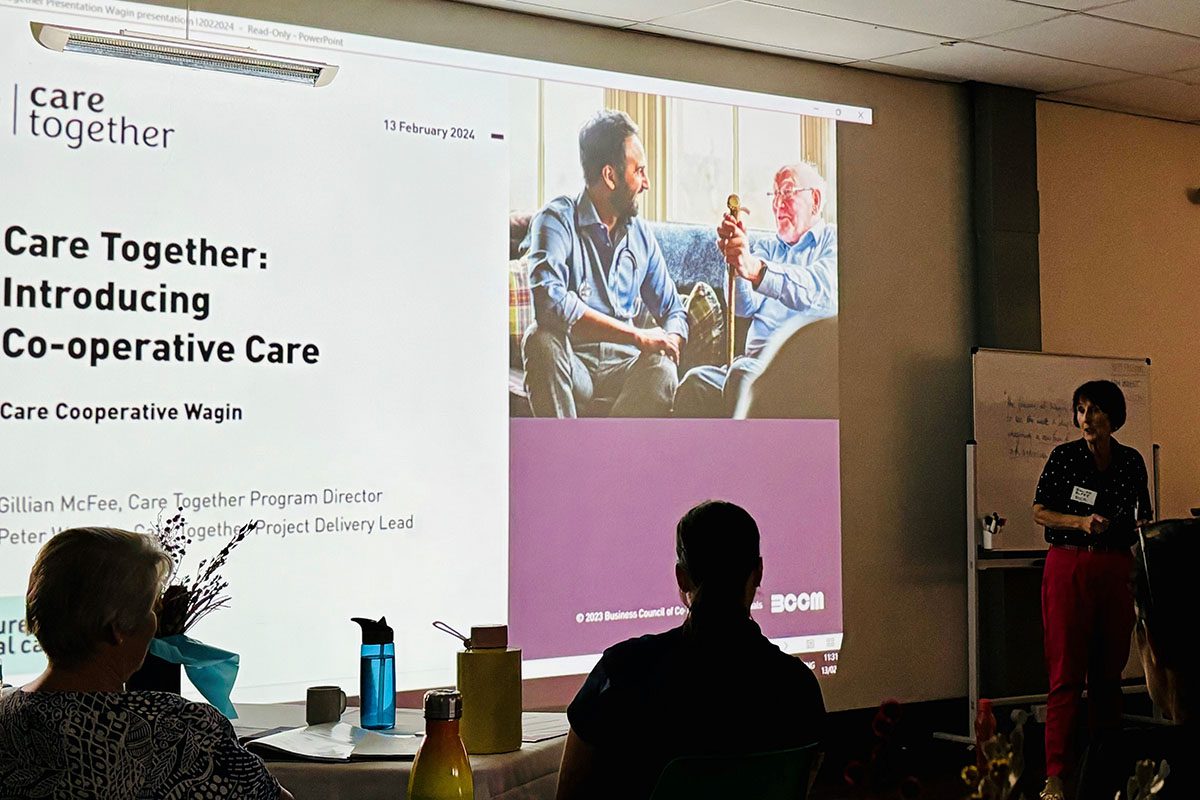
Led by Gillian McFee, Peter Hunt and Nick Hislop, the exploratory session aimed to investigate consumer-led co-operatives as a means to empower older Australians with more choice and control over managing their Support at Home package.

The workshop focused on assessing how this model could align with regulatory requirements and the practicalities of self-managing package funds through a co-operative structure.

Key outcomes included clarifying the co-operative’s purpose, defining its practical functions, identifying gaps in service delivery, and outlining the skills needed for its operation. Additionally, the session explored the sustainability of the model and addressed potential barriers, offering solutions to overcome them.

Project update: Phase 1

The work led by COTA Australia and the Care Together Program has laid important groundwork to explore how user-led primary care co-operatives could be introduced into Australia’s aged care system, particularly in regional areas. In June 2025, consumer participants gave clear and enthusiastic support for further testing of the co-operative model post the November 1 changes to the Aged Care Act.

These legislative changes require that only registered providers can deliver government-funded aged care services, meaning independent workers, sole traders and casuals will need to contract through or be employed by a registered provider. This shift reinforces the relevance of co-operatives as a way for home support recipients who self-manage their packages to collaborate, pool resources and exercise greater flexibility and control within the new regulatory framework. Further, the recent consolidation of government portfolios covering health, ageing and disability presents an opportunity for integrated policy and program support that could underpin the long-term sustainability of participant-led co-operatives in aged care.

Building on the strong engagement and insights collected from consumers actively self-managing their home support packages, COTA and Care Together continue to champion this participant-driven approach. The next phase will focus on practical implementation in a suitable regional location, testing governance, business models and service delivery while ensuring compliance with new legislative requirements. This work promises to advance a co-operative model that truly puts older Australians and their families in the driver’s seat of their care.

Senior people watching television together
Ageing society concept with Asian elderly senior adult women sisters using mobile digital smart phone application technology for social media network among friends community via internet communication

Hear from COTA

Sophia Petrov, National Manager Policy Engagement COTA Australia, shared:

“We’ve been working with people aged 50 and over for more than seven decades across a range of different areas and one of the most pervasive things we see is the increase in ageism.

“Older people receiving aged care services tell us that they want to have more control over what happens in their lives, and so that’s what our project will aim to deliver.

“Older people who self-manage their packages know they have the skills and practical experience to be more than passive recipients of care and support. They see the co-ops and mutuals model as a way of demonstrating their capability to manage their own lives.

“This project poses several challenges, but there is also the prospect of a great model emerging which genuinely puts power back into the hands of the people.”


“Our vision is to transform aged care by empowering the true decision-makers.  Power needs to be in the hands of the consumers – older people and their families.”

Related projects

Care Together is supporting the establishment of new co-operative and mutual enterprises that provide sustainable workforce solutions in areas where current approaches are not working. Explore more Care Together projects. 

Find a care co-op or mutual near you

Use our new interactive map to find care co-ops and mutuals across Australia.

Find one near you
Girl And Parent Sit Outside Blowing Bubbles

Australian Unity Wundirra Bulabul Project

Enabling First Nation Elders with a new model for care delivery

Australian Unity Wundirra Project

A Care Together Project

Designing an integrated model of care to advance the health outcomes of First Nation Elders in rural and remote communities.

Location

Coonabarabran, Northwest NSW

What is the market failure being addressed?

There remain intractable challenges in aged and health care service delivery within remote areas of New South Wales and the nation. First Nation Elders face additional barriers when accessing health services including, the availability of culturally safe and responsive health services, distance between services and limited transport options, contribution towards services and lengthy waiting times. These have culminated in a significant shortage of clinicians and care workers available to deliver culturally appropriate care to First Nation Elders.

What is the project seeking to achieve?

The project aims to trial different approaches to improving integrated home-based healthcare (aged care, indigenous care, allied health and primary health) in remote and rural communities. It will be sensitive to the importance of connection to land, culture, spirituality and ancestry for First Nations peoples. Co-design with community, local health and Australian Unity is at the heart of the project. The project will fully examine a range of approaches in order to recommend and then pilot a culturally appropriate solution that is sustainable and scalable in thin markets. Determining the best suited model for care delivery will result in improved and equitable access to culturally appropriate health care; and increase in employment rates and better career pathways; and a greater pool of healthcare skills in rural and remote areas. Upskilling of care workers to offer improved health outcomes under the supervision of clinical practitioners as well as other strategies include telehealth, remote monitoring of patients, skills sharing and delegated models of care.

Project update

After some unexpected delays in its initial stages, the Wundirra Bulabul project has a refined plan and is moving forwards with a goal to be operational by July 2025. This will mark a critical milestone in the project’s progression and its ability to deliver sustainable, culturally appropriate healthcare solutions to First Nation Elders in the region.

Unlike other projects, Australian Unity is already a formed and registered mutual, which means it will not need to go through the formation and registration processes.

With the co-op’s formation, registration and legal structures already in place, the project is well-positioned to move forward into its operational phase, with efforts focused on refining governance and ensuring financial sustainability in preparation for launch in Coonabarabran.

Considerable work engaging in deep listening has been undertaken in order to build trust within the Coonabarabran community as part of fostering meaningful health and wellbeing conversations. The focus has then shifted towards enhancing health literacy among elders, starting with raising awareness about common health issues and promoting self-care practices. By boosting their confidence and knowledge, the project aims to empower elders to take an active role in their health journey and strengthen their social and cultural connections within the community. In this way, the project will ensure that the model of care that is developed is driven by the community members themselves, reflecting their specific cultural needs. It is hoped that this model of care can then be shared with other First Nations communities.

Project team

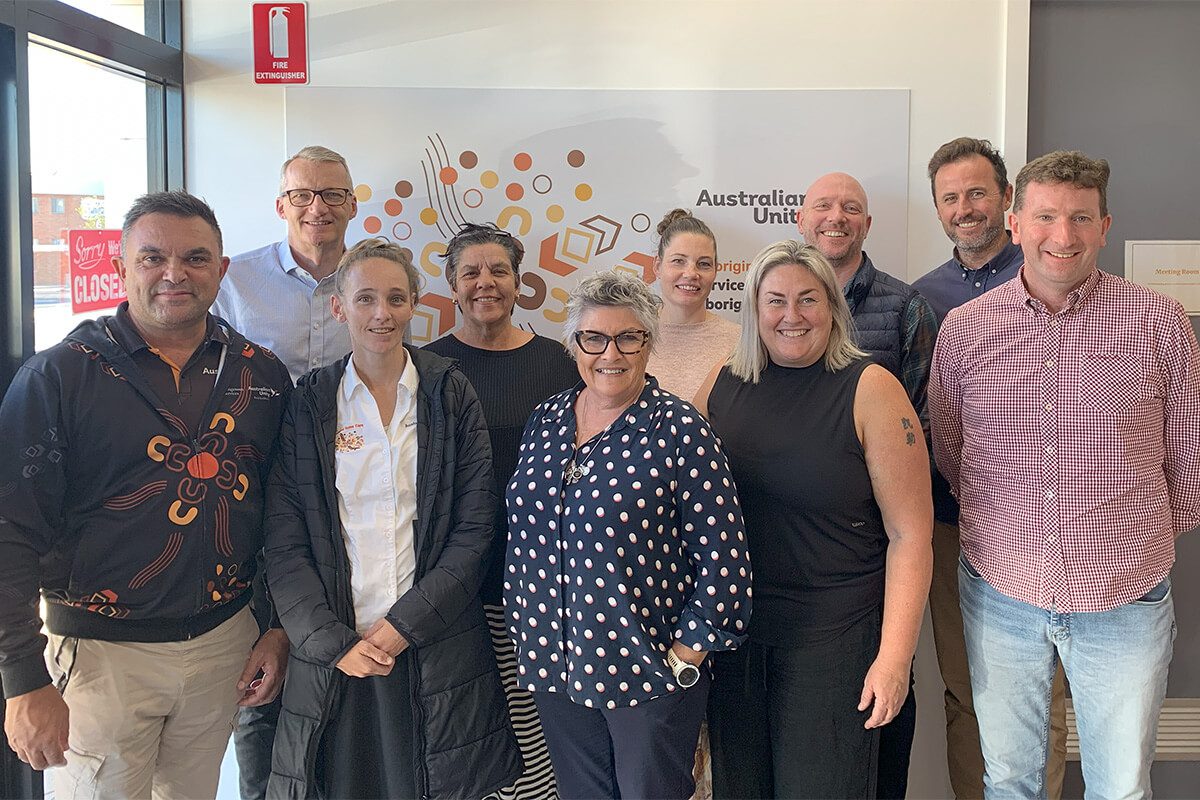
  • Jenny Beath, Wiradjuri woman – General Manager Service Delivery Aboriginal Home Health
  • Melissa Mills, Tubba Gah Wiradjuri woman – Regional Manager of Western
  • Amanda Hunter, Manager of Indigenous of Products and Service Design

“The initiative will look to apply a rigorous but sensitive selection process so that the best model is implemented, and better health outcomes can be amplified through delivery by trusted mob who live and work on country.”

Related projects

Care Together is supporting the establishment of new co-operative and mutual enterprises that provide sustainable workforce solutions in areas where current approaches are not working. Explore more Care Together projects. 

Find a care co-op or mutual near you

Use our new interactive map to find care co-ops and mutuals across Australia.

Find one near you
Girl And Parent Sit Outside Blowing Bubbles

Iran: Education is power!

Meet Rah-e-Roshd, the cooperative contributing to the education of Iran’s new generation.

Middle school students at the Rah-e-Roshd facilities young female students

Meet Rah-e-Roshd, the cooperative contributing to the education of Iran’s new generation.

This article was republished with permission from CICOPA and was originally published in the August 2023 edition of CICOPA’s Work Together newsletter.

The Rah-e-Roshd cooperative educational complex is based in Tehran, Iran, and it provides education services from pre- school to high school. We sat down with Ms Anahita Eslahpazir, CEO, and got to know the cooperative better.

The Rah-e-Roshd project was born in 1986 from the initiative of seven women who, at a time of deep instability (Iran was at the time at war with Iraq), felt the necessity to have a place in which they could educate their children. The initial project consisted of a summer school for kindergarten-aged toddlers. Seeing its success, and as a request from the parents, the project was expanded and made into a full-fledged, year-round kindergarten.

For the first 10 years, the project went on without having the status of a cooperative. The soul of the project, however, was fully cooperative. From the very beginning, everything was based on the cooperation of the parents who were responsible for transporting the children, cooking, cleaning the places etc.

It was only after the first decade of operation that Rah-e-Roshd formally became a cooperative. The project was expanding and wanted to give continuity to the children’s educational path, so they decided to establish an elementary school. For them, the choice of the cooperative form was an answer to the new questions that arose as the project expanded.

The reasoning behind this choice, in fact, was to give the project a legal democratic framework.

37 years after the project was launched and 26 years after the cooperative was founded, Rah-e-Roshd is a successful worker cooperative. Their project has expanded, and they have now added to their services a middle school, a high school, and a counseling service about education and behavior for their students. They currently have 500 teachers and 7000 people in their network.

Interestingly, even after years, parents of children and teachers who have now retired are interested in remaining members of the cooperative and participating in the annual general assembly. This goes against the general trend in Iran, as they see the foundation of other schools in their network, which, however, fail to survive over the years. According to Rah-e-Roshd, what makes the difference between other private schools and their cooperative, is the fact that in a cooperative everyone protects their jobs and makes sure that the project continues since the main goal is not the profit, but the education of children, fair jobs, and decent work.

Many cooperatives were born in Iran during the war, and it became a well- known model. The idea came precisely from the situation of uncertainty that the country was going through, as they thought that creating a project in which anyone could feel included could be good. This turned out to be the best choice for Rah-e-Roshd, and 26 years later, the cooperative is among the top 3 institutions in the country, provides good salaries to workers, and has quality infrastructure.

Rah-e-Roshd cares a lot about the cooperative’s proper functioning, and that is why members are selected from three categories only: parents of children, teachers, and alumni. Members’ main interest shall be that of the welfare of the children and the cooperative itself, as they themselves benefit or have benefited from the services provided.

Currently, the cooperative counts 500 teachers, of whom 230 are worker members, while the cooperative’s community reaches 7,000 people, including parents and former students. The opportunity to become a member is offered to teachers after 5 years of service within the cooperative. For parents, however, it is possible to become members after three years minimum. Ex-students, on the other hand, can become members as soon as they submit the application.

Initially, the cooperative did not have enough money available, so it paid part of its workers’ salaries from the cooperative’s shares.

Now, however, paying workers’ salaries is the number one priority, as well as providing a contract in good standing and social security. In addition, the cooperative provides maternity leave and facilities for teachers who want to enroll their children in the Rah-e-Roshd school. This way of managing its employees made it possible for the cooperative to have a very low turnover of teachers, and most have been working for Rah-e-Roshd for more than ten years.

Rah-e-Roshd is a proud women’s cooperative. Currently, 75% of the members are women, while the staff is composed of 85% of women. The current CEO of Rah-e-Roshd, Ms Anahita Eslahpazir, is proud to say that the board of the cooperative is composed of women only, and women, therefore, hold control over decision-making and positions of power.

Regarding the governance of the cooperative, one general meeting is held per year in which teachers, managers, the principal, and all the staff participate. All decisions are made together by consulting with members of the cooperative.

The school’s enrollment fee is like what one might find at other private schools, however since Rah-e-Roshd’s priority is the education of children, the money they receive from enrollment is invested in quality education, workshops (music, theater, swimming etc…), the purchase of the school’s uniform and a good quality school canteen.

Initially, the school was girls-only. Now, however, a boys’ section has been opened due to high demand from parents. The school, therefore, is divided into boys’ and girls’ sections as mixed sections are not authorized by Iranian law. The boys’ and girls’ sections are constantly in contact as they often attend meetings, ceremonies, and visits together. This has allowed an almost fraternal bonding between their students.

In the future of Rah-e-Roshd there is a desire to make the cooperative known inside and outside Iran. Eslahpazir, in fact, thinks that the model of worker cooperative schools can work and can be an inspiration for other projects in Iran.

In particular, she believes that this is an opportunity to create stable employment and make up for the fact that the Iranian government cannot provide stable employment and pay its teachers adequately. Another priority for Rah-e- Roshd is to make their voices heard at the highest levels of Iran, as being a cooperative run and led by women, reports Eslahpazir, disadvantages them in dialogue with institutions.

A true example of education through cooperation!

Rah-e-Roshd Cooperative Educational Complex is a member of CICOPA.

Middle school students at the Rah-e-Roshd facilities young female students

Related case studies

Discover how co-ops and mutuals are making a big impact in Australia’s health, community and social services sector,  successfully delivering high-quality services and support to those who need it most.

Find a care co-op or mutual near you

Use our new interactive map to find care co-ops and mutuals across Australia.

Find one near you
Girl And Parent Sit Outside Blowing Bubbles

Australia: The Care Together Program

CICOPA interview with Melina Morrison, CEO BCCM, and Gillian McFee, Care Together Program Manager.

CICOPA had the chance to sit down with Melina Morrison, CEO, and Gillian McFee, Care Together Program Manager from the Business Council of Cooperatives and Mutuals (BCCM), CICOPA’s Australian member.

This article was republished with permission from CICOPA and was originally published in the August 2023 edition of CICOPA’s Work Together newsletter.

BCCM has recently received an A$7 million grant from the Australian Government Department of Health and Aged Care to implement the Care¹ Together Program in order to create and strengthen care cooperatives as a solution to the challenges in Australia’s care sector especially in markets where service delivery is failing including regional, remote and rural communities. The program will run from January 1, 2023, until June 30, 2025.

CICOPA: What is the care landscape at the moment in Australia?

BCCM: The Australian care landscape is one of increasing demand. The aging demographic profile of Australia is contributing to a looming crisis in workforce shortages. The care sector is the largest and fastest-growing part of our economy; in the Australian federal budget, we are looking at expenses exceeding A$200 billion in the care sector.

The sector is facing worker shortages, for two main reasons. Firstly, carers in Australia are mainly middle and older-aged women, which will lead to worker shortages as they retire in the coming years.

Secondly, due to COVID-19 there has been a sharp drop in the arrival of migrant workers, who are another major demographic worker group in the care sector.

In recent years, a number of inquiries and Royal Commissions have uncovered systemic problems in the quality of services and employment in the care sector. The most significant inquiry was the Royal Commission into Aged Care Quality and Safety. The report was damning, calling the situation a “shocking tale of neglect”. In particular, it noted the lack of choice in services – for example, although most older Australians prefer to receive care at home, care services are instead focused on residential care models. The report also highlighted the increased privatization within the sector, which leads to large profit-lead enterprises in the system for financial benefit. Consequently, the value generated does not remain in the sector and is not reinvested to improve care for consumers and working conditions for care employees. Another critical issue is that carers’ wages are insufficient to support a reasonable standard of living.

Finally, the report also raised questions about the lack of innovation, in terms of both service provision and ownership structures of care enterprises. These problems have a heightened impact in rural, regional, and remote Australia, since care services there are already inadequate in many locations.

CICOPA: What is the current state of development of care cooperatives in Australia?

BCCM: We can give two readings of the situation. On one side, we are beginning to develop care cooperatives in Australia. The discussion has only recently started, and there is no specific sector of care cooperatives in Australia. On the other side, some successful care cooperatives already exist that organically emerged in response to the needs of workers in the sector. For example, there are around 30 Aboriginal community-controlled services within the Indigenous cooperative movement.

The worker cooperative model is not common in Australia. Historically, this model was hindered by a lack of an enabling legislative environment, a poor understanding of the cooperative model in policy and business circles, a lack of a national peak body for the sector, and the dominance of trade unions as the preferred method of worker organisation. However, in recent years we have started to see change.

Industrial relations are starting to change due to the casualization of labour (e.g. the rise of platform work), which means trade unions need capacity to organise and protect freelance workers. Moreover, we have a care sector that is in urgent need of a major overhaul especially to attract and retain workers in high quality and dignified care jobs. These factors mean that current conditions are favourable for more care cooperatives to form in Australia.

CICOPA: How did the Care Together Program come to be?

BCCM: It has taken a decade of advocacy, really. We had to start by building a story about the purpose of cooperatives in the Australian context and raising awareness about cooperatives as an alternative, people-centred business model and their potential to provide services in the care sector.

Our strategy was to go in and ask: “What is the problem you are trying to address?”, and “Have you thought of cooperative and mutual solutions?” With few domestic examples, we really depended on the experiences from the international cooperative community. Our context of rising demand and increasing privatization opened an opportunity for cooperatives to take shape. In particular, cooperatives can partner with governments to deliver care, while keeping value and reinvestment in the health and care sector.

When the Royal Commission into Aged Care clearly stated that the care system was broken, we saw this as an opportunity to show that cooperatives could help. We proposed that the Government invest in education and information about cooperative and mutual enterprise models to help address the recommendations of the Royal Commission.

CICOPA: What is the goal of the Care Together Program?

BCCM: Our goal is “dignified, safe and quality social care for vulnerable people in all settings, including regional, rural and remote communities delivered by empowered and well-trained workers in decent jobs”. Care Together is an education, advisory and support program that will assist successful projects to develop sustainable service delivery in areas where current approaches are failing, including a focus on regional, rural and remote parts of Australia. Cross-sector, multi-disciplinary models will be an important focus of the Care Together Program and aligned to these high-level program outcomes:

Supporting the establishment of innovative models of social care delivery (including aged care, disability care, veterans’ care, Indigenous services, allied health and primary care) in areas where current approaches are not working.

Increasing opportunities for providers of social care to transition to co-operative and mutual models to address workforce challenges and improve service delivery.

In terms of projects, Care Together will support the development of new cooperatives or mutuals to deliver care, support growth and scaling projects working with existing cooperatives and mutuals, and facilitate the co-design and development of a user-tested prototype to establish a digitally enabled member-owned cooperative to support service delivery in areas of unmet need by providing back-office functions and other collaborative solutions for smaller providers.

Around all of this, we will be engaging in research – we want to ensure we obtain high- quality data about the successes and challenges of the program. Furthermore, we want to build case studies from each project to better understand how to make social care cooperatives successful.

We are using the Mutual Value Measurement Framework© to measure the total value creation of the new and growing cooperatives we are assisting. This ensures that the framework for measuring the success of the projects is informed by the unique characteristics of cooperatives themselves.

CICOPA: Based on the challenges for care workers and beneficiaries, that you identified above, how is the program addressing them?

BCCM: The program focuses on empowering those providing the care, and those receiving it, because they are the most important yet the least empowered people under the current system. On the worker side, for example, we have a project for a primary health network in regional, rural, and remote Australia. It is a multidisciplinary health and care team delivering services to a small town of 30,000 people, with several outlying smaller communities. They approached us to learn how their organisation might look as a cooperative. This plan is likely moving forward, and other primary health networks are showing interest in the cooperative model as a result.

On the other hand, we have a project for people with high support needs due to disability. The goal of the program is to facilitate a better living situation for young people who have been inappropriately placed in aged care homes because of these support needs. The project is a cooperative that aims to return choice to the people who are the beneficiaries of care – the cooperative model allows them to pool their disability funding resources and achieve a greater degree of autonomy.

CICOPA: How will BCCM and the program ensure the sustainability of the established new cooperatives?

BCCM: Many small cooperatives in their infancy need cooperative development and business advice to enable them to scale up and operate sustainably. In a period of two years, we’ll only be able to get them going. In order to survive, they’ll need support from the cooperative movement, so we facilitate them becoming BCCM members. The measurement system we have designed, Mutual Value Measurement, allows them to show how their purpose is driven by their business performance. We want to make sure that they demonstrate how they are delivering value and thus helping the community. We also want to make sure that cooperatives are sustainable, so access to capital is very important. In Australia, we have worked very hard to develop innovative ways for raising capital. As a result, cooperatives can use specially designed capital instruments to raise vital equity capital without sacrificing their cooperative ethos.

Our program is open to anyone from around the world to follow online. Visit caretogether.coop to find more about our Social Care Community of Practice.

CICOPA: Thank you for your time!

[ 1] When we talk about care in the Care Together Program, we talk about disability support, veteran’s care, special services for indigenous populations, allied health, and primary health care. The Care Together Program has a particular focus on multi-disciplinary teams providing care.

Related case studies

Discover how co-ops and mutuals are making a big impact in Australia’s health, community and social services sector,  successfully delivering high-quality services and support to those who need it most.

Find a care co-op or mutual near you

Use our new interactive map to find care co-ops and mutuals across Australia.

Find one near you
Girl And Parent Sit Outside Blowing Bubbles

Malta: Client is king

Meet Vista Coop, the cooperative transforming childcare in Malta!

Image by Alicja from Pixabay

Meet Vista coop, the cooperative transforming childcare in Malta!

This article was republished with permission from CICOPA and was originally published in the August 2023 edition of CICOPA’s Work Together newsletter.

Vista Coop is a care cooperative whose objectives are early-years education, educational care, educational entertainment, and childcare.

At the time Vista coop was founded, there was no day-long, early-years education available in Malta. This inspired a few members from Outlook coop, at the time also parents, to create a cooperative that could take care of their children while they were at work.

The choice of the cooperative model came naturally to them, as they were all members of Outlook.

In 2002, before properly founding the cooperative, they decided to start a pilot project by renting a government school facility. The idea was to offer a childcare summer school for children between the ages of 2 and 15 years. The project was a great success, and in 2003 Vista coop was born.

At the beginning, Vista coop’s offer was limited to summer schools, however in 2007, they decided to increase their services. They rented a house and turned it into a childcare center. This is how “Kidstart”, an after-school program for children 1 to 3 years of age, was born.

It is only in 2015 that Malta’s government started to offer free childcare, and it is for this exact reason that the industry started to grow exponentially.

It is worth mentioning that until 2015, there were 30 centers across the island dealing with childcare, while now, 7 years after recognition by the Maltese authorities, 160 can be found.

The manager of Vista coop, Hilary Caruana, tells us that the cooperative has managed to not only survive, but endure and grow, despite competition in recent years. This is thanks to three government- funded projects related to early-years care. Moreover, they could continue their work, as the services they provide are of the utmost quality.

Vista coop now has 4 active projects: Childcare, Kindergarten, after school and holiday clubs, and employs 27 workers full time.

Regarding their day-to-day activities, Vista cooperative is always looking for ways to internationalize and grow the coop. They find it beneficial for kids to encounter people from other countries, as they get to know new cultures and backgrounds. It is for this reason that Vista coop is always open to international internship applications and migrant workers, providing them with a working visa.

All the workers have to respect the high standards of the cooperative that chooses to use the Reggio Emilia Approach®, an educational philosophy based on the image of a child with strong potential for development and a subject with rights, who learns through the different languages and communication means belonging to all human beings and grows in relations with others¹.

Following this approach, Vista coop emphasizes that the 150 children they take care of are their main “client”. Of course, they work in collaboration with carers and families, but children are at the center of their service. It is for this reason that carers are provided with continuous training, especially in the field of child abuse recognition, as well as constant dialogue with families is maintained.

With eyes set on the future, the cooperative is now evolving, and it is currently working with a gaming company based in Malta. They have set up a new center based on the company premises and are providing after-school care to the employees’ families. This is a unique concept on the island.

Care continues to be a demanding and growing sector, therefore having cooperatives provide excellent service in this field can only benefit the communities who need these the most in the long run. And for who else than the future of our society, children!

Vista Coop is a member of Koperattivi Malta, one of the Maltese members of CICOPA.

[ 1] https://www.reggiochildren.it/en/reggio-emilia-approach/

Middle school students at the Rah-e-Roshd facilities young female students

Related case studies

Discover how co-ops and mutuals are making a big impact in Australia’s health, community and social services sector,  successfully delivering high-quality services and support to those who need it most.

Find a care co-op or mutual near you

Use our new interactive map to find care co-ops and mutuals across Australia.

Find one near you
Girl And Parent Sit Outside Blowing Bubbles